It's A Big Wide World Out There. We Know That Life Flows Like A River And Time Waits For No One. We Want To Keep Going As Long And As Far As We Can Take It. It Takes A Lot Of Work To Plan A Trip, Not To Mention A Trip For A Family Of Five, Not To Mention A Family With Twin 7-Year-Olds And A Teenager! So We Decided To Share Some Of Our Experiences And Hopefully, Inspire Someone Out There To Take Their Big, Lovely Family On A Trip! So Follow Us Around The World!
Trips always sound adventurous and exciting. We’ve all read a blog that made us dream, heard friends who’d just come back sharing travel stories and thought “oh, that would be nice…”
But the truth is that’s it’s not always the easiest thing to make up your mind to leave. Especially if you haven’t done it before, or if it’s been too long or if you’ve made a family in the meantime and you have yet to plan a trip for all of you together. And though planning may be easy (you search, you find, you negotiate, you book tickets/rooms), what happens when the day comes when you have to pack everything up and lock the door behind you?
For many, even frequent travellers, the day of departure is a special day and involves a lot of pressure, practical as well as psychological. As a practical matter, leaving involves a large part of preparation. Lists to make sure you remember everything, calls and emails to organise activities that may need pre-booking, paperwork, if you need to issue passports or visas. And of course, the eternal struggle between that part of you that knows you don’t need the fourth pair of trousers and the other part of you that always retorts “what if I need it and I haven’t packed it”?
But there is also a subconscious, dark part inside many of us which holds a fear that we don’t usually confess. It is the fear of the moment of separation from the safety of our routine. When the car’s been loaded, the shutters secured, the water main turned off and you catch yourself feverishly going through the last minute list to find what you have forgotten. While you’re taking the rubbish to the bin, you feel like everyone knows you’re going on a trip and they’re giving you dark, accusing looks. Where are you going? How can you leave us? Are you sure this will all be here when you return? Where will you buy milk tomorrow morning? Will you be able to sleep in a strange bed? WHY ARE YOU LEAVING?
But you know what? You’ll go and come back and your routine will still be there. Your parking spot will probably be empty. Your corner shop will have fresh milk. Your neighbours will greet you, your home will light up and be just like before. The only thing different will be you.
Τα ταξίδια ακούγονται πάντα πολύ γοητευτικά. Όλοι έχουμε διαβάσει ένα blog που μας ξεσήκωσε, έχουμε ακούσει αφηγήσεις από φίλους και γνωστούς που γύρισαν από την τελευταία τους περιπέτεια και έχουμε σκεφτεί τι καλά που θα ‘ταν…
Η αλήθεια όμως είναι ότι δεν είναι πάντα εύκολο να το πάρεις απόφαση να ξεκινήσεις. Ειδικά όταν δεν το έχεις ξανακάνει, ή έχεις καιρό να το κάνεις ή εν τω μεταξύ, έκανες οικογένεια και δεν έχεις ακόμα τολμήσει να σχεδιάσεις απόδραση για όλους σας μαζί. Κι αν το κομμάτι του σχεδιασμού είναι εύκολο (ψάχνεις, βρίσκεις, διαπραγματεύεσαι, κλείνεις εισιτήρια/δωμάτια) τι γίνεται όταν πλησιάζει η μέρα που πρέπει να τα σηκώσεις όλα σε βαλίτσες και να κλειδώσεις πίσω σου την πόρτα;
Για πολλούς, ακόμα και συχνούς ταξιδιώτες, η μέρα της αναχώρησης είναι ιδιαίτερη και συμπεριλαμβάνει μεγάλη πίεση, πρακτική ή ψυχολογική. Πρακτικά, το να φύγεις συμπεριλαμβάνει ένα μεγάλο κομμάτι προετοιμασίας. Λίστες για να μην ξεχαστούν πράγματα, επαφές και οργάνωση δραστηριοτήτων που ίσως πρέπει να γίνουν από πριν, χαρτιά και γραφειοκρατία αν πρέπει να βγάλεις διαβατήρια, βίζα ή κάρτα υγείας. Και φυσικά, την αιώνια πάλη ανάμεσα στο κομμάτι του εαυτού σου που ξέρει ότι δεν χρειάζεσαι τέταρτο παντελόνι και στο άλλο κομμάτι του εαυτού σου που απαντά μονίμως “κι αν το χρειαστώ και δεν το έχω”;
Για μια γρήγορη λίστα του τι βασικά χρειάζεσαι οπωσδήποτε, διάβασε εδώ!
Υπάρχει όμως και ένα ασύνειδο, σκοτεινό κομμάτι μέσα στους περισσότερους από εμάς, το οποίο συντηρεί ένα φόβο, κι ας μην το ομολογούμε πάντα. Είναι ο φόβος της στιγμής που πρέπει να αποχωριστούμε την ασφάλεια της ρουτίνας μας. Εκεί που έχει φορτωθεί το αυτοκίνητο, έχουν κλείσει τα παντζούρια, τα νερά, το wifi, έχεις κλειδώσει και σκέφτεσαι πυρετωδώς μην έχεις ξεχάσει κάτι που θα χρειαστείτε οπωσδήποτε. Εκεί που πηγαίνεις να πετάξεις τα σκουπίδια και έχεις την αίσθηση ότι όλοι ξέρουν ότι φεύγεις για ταξίδι και σε κοιτάνε με κατηγόρια. Πού πας; Πώς φεύγεις; Είσαι σίγουρος ότι θα τα βρεις όλα εδώ όταν γυρίσεις; Πού θα βρεις γάλα αύριο το πρωί; Θα μπορέσεις να κοιμηθείς σε ξένο κρεβάτι; Γιατί φεύγεις;
Ξέρεις όμως κάτι; Θα φύγεις, θα γυρίσεις και η ρουτίνα σου θα είναι ακόμα εκεί. Η θέση που παρκάρεις συνήθως θα είναι άδεια, το ψιλικατζίδικο θα έχει φρέσκο γάλα. Οι γείτονες θα σου πουν καλημέρα, το σπίτι σου θα αεριστεί και θα φωτίσει και θα είναι όπως πριν. Μόνο εσύ θα είσαι διαφορετικός/ή.
It is virtually impossible to travel nowadays without using your phone to do at least some of the work. This is one of the reasons why the decision to make roaming free when travelling within the EU has made so many travellers so happy. Free roaming means your data plan is available for use. And data means you can use your favourite travel apps.
But even when travelling to other continents or for those of you coming to Europe from across the seas, there are usually very economical options for phone cards that offer a limited amount of data for visitors. So, this is usually one of the first things we do when visiting a foreign country these days: we make sure we have communication and data.
That said, I’m pretty sure we all have some preference or other as to which apps we find more helpful when travelling. Before we give you our selection, let’s first discuss which categories of apps have proved indispensable over our years of travelling both locally and internationally.
Any kind of overview of travel apps would probably have to start with tickets and accommodation. So the first thing we recommend is downloading and installing the app of your most frequently used airlines and hotel booking services. All major airlines have a corresponding mobile app which facilitates the process. You have to be a little careful about security (change your password regularly, do not use the same password across apps, etc) but once you’ve got the hang of it, the process of booking tickets and/or rooms becomes a breeze. Not only this, but e-tickets, boarding passes and hotel reservations are all stored in one place and often, there are offers that are only accessible through the mobile app.
These are the ones we use regularly:
Bonus Tip: Don’t forget to use our discount codes when using Booking.com!
The next step has to do with services. It is important to still have control over your data and your bank account when travelling abroad. So, make sure you have your mobile provider’s app installed and connected. This way you can constantly keep track of your phone bill. Moreover, if you’ve never considered e-banking, it is definitely time to set it up when you’re going to travel. Even though most charges on your credit card do not appear right away, it is still important to monitor your account and cards. Besides, through the banking mobile app, you can transfer money, load your pre-paid card, make payments and, most importantly, report a stolen or lost card immediately and have easy access to your bank’s helpdesk.
Final step: local apps. Do some research on apps that are used locally where you’re going. For example, you might find museum apps, theme park apps (our favourite is definitely Eurodisney), subway maps, local taxi apps, ticket, restaurant or event reservations. There might also be bargains or line skipping options only available for mobile app users. E-tickets that don’t require printing are very useful too!
All things considered, apps can make your trip a lot easier, safer, and more enjoyable, if they are used properly.
Bonus Tip: If you’re travelling with teens, consider installing one of those family tracker apps. It sounds invasive but knowing where everyone is may actually be life saving in many situations when travelling abroad.
And now, as promised, these are our
Top 5 Favourite Travel Apps
that we don’t leave home without!
1) Tripit
A all-in-one trip organizer which you can connect with your email and have all your travel documents and emails with reservation numbers and itineraries in one place. You can add notes, files, maps and as soon as an itinerary has been added, it offers information about flight departures and delays, airport maps and much more. If you don’t want to allow access to your email, you can also forward the emails to a specific address and they will be processed and added to the itinerary. For $49 a year, you get pro features, like plan sharing and speeding through security.
2) Citymapper
The ultimate city guide. It helps you navigate through selected cities like a true native, whether you’re walking or using any kind of transport. It’s like a map that has come alive and decided to be your best friend. It monitors buses, trams and trains and gives you live info, real ETAs and all kinds of info about the area you’re visiting.
3) PackPoint
Your packing buddy. An app that tries to predict what you might need to pack based on your stated preferred activities. It is designed to take the pain out of packing, but it might take a little practice before you can make the most of it.
4) Lonely Planet
A guide in your pocket that will make sure you get the most out of every place you visit. You choose the city, download the guide and you have information about museums, monuments, activities and more. You can search for the best things to see and the best places to eat and actually finish the reservation online. You can also have access to offline maps of the city. A valuable resource all in all.
5) Google Translate
There are many translators and phrasebook apps out there. There are also some legitimate choices if you want to acquire basic knowledge in a foreign language somewhat quickly and easily (e.g. Duolingo). But Google’s translator remains the most powerful tool for all intents and purposes. It instantly translates what you say and lets the other person read or hear it. And now, using your camera, it can also translate what you see on a notice or sign or text in real time. Just point the camera in that direction and see the text transform before your amazed eyes.
Travel apps can really help you travel stress-free and get the most out of your trip. We’d love to hear your suggestions in the comments! Until next time…
Γράψε το email σου για να μαθαίνεις τα νέα μας αμέσως!:
Μια από τις αποφάσεις που πρέπει να πάρει μια οικογένεια που ταξιδεύει είναι αν θα χρησιμοποιήσουν μέσα μεταφοράς ή αν θα συνέφερε περισσότερο να νοικιάσουν αυτοκίνητο. Με βάση τη δική μας εμπειρία, το αυτοκίνητο λύνει συνήθως περισσότερα προβλήματα απ’ όσα δημιουργεί. Στις περισσότερες ευρωπαϊκές χώρες, τα μέσα μαζικής μεταφοράς είναι πολύ οργανωμένα και αποτελεσματικά, αλλά μπορεί να μη φαίνεται έτσι όταν ταξιδεύει μια μεγάλη οικογένεια. Αξίζει λοιπόν να εξετάσουμε τα πιο συνηθισμένα επιχειρήματα να ΜΗΝ νοικιάσουμε αυτοκίνητο για να πάρουμε μια σωστή απόφαση!
1. Ανεβάζει τον προϋπολογισμό του ταξιδιού
Αυτό είναι μάλλον το πιο συνηθισμένο επιχείρημα κατά της ενοικίασης και φυσικά, είναι εντελώς βάσιμο. Αν προσθέσεις την τιμή του πάργκινγκ, που είναι απαραίτητο αν το ξενοδοχείο είναι σε κεντρική τοποθεσία, και σίγουρα αποτελεί μια σημαντική προσθήκη στα έξοδα του ταξιδιού. Υπάρχουν όμως και άλλοι παράγοντες που πρέπει να σκεφτούμε. Για παράδειγμα, σκοπεύουμε να επισκεφτούμε ένα μόνο μέρος; Αν πρόκειται να επισκεφτούμε μια μεγάλη πόλη και να μείνουμε μόνο εκεί, τότε το αυτοκίνητο μπορει να μη βολεύει. Ουσιαστικά, θα το πληρώσουμε μόνο για τη μεταφορά από και προς το αεροδρόμιο. Ακόμα κι έτσι, θα μπορούσε να συμφέρει βέβαια, αν για παράδειγμα η πτήση μας φτάνει πολύ αργά τη νύχτα ή αν η απόσταση είναι μεγάλη και χρειάζονται πολλά μέσα μεταφοράς ή ένα πανάκριβο ταξί. Πιο συχνά όμως, το αυτοκίνητο είναι μάλλον εμπόδιο σε μια μεγάλη πόλη.
Αν όμως σχεδιάζετε να μετακινηθείτε λίγο, να κάνετε εκδρομές γύρω γύρω από την πόλη που μένετε, ή να επισκεφτείτε πάνω από μία πολή, τότε η ενοικίαση είναι η καλύτερη επιλογή. Σας δίνει απόλυτη ελευθερία κινήσεων και εγγυάται ότι θα δείτε όσο περισσότερα μέρη γίνεται. Δίνει τη δυνατότητα να σχεδιάσουμε τη διαδρομή που μας αρέσει, να κάνουμε στάσεις όσες και όπου θέλουμε, και να αναχωρήσουμε ή να επιστρέψουμε την ώρα που θέλουμε χωρίς περιορισμούς από δρομολόγια τρένων και λεωφορείων. Και ας σημειώσουμε ότι τα ενοικιαζόμενα αυτοκίνητα είναι συνήθως πολύ οικονομικά μοντέλα, καινούρια και χαμηλής κατανάλωσης, ειδικά αν δεν ταξιδεύουμε με πολύ υψηλές ταχύτητες (το καλύτερο που έχουμε να κάνουμε για να αποφύγουμε μια κλήση!).
2. Είναι ένα πρόσθετο άγχος
Αυτό είναι απολύτως κατανοητό. Το να οδηγείς νοικιασμένο αυτοκίνητο σημαίνει ότι προσέχεις τα όρια ταχύτητας και άλλους κανονισμούς κυκλοφορίας, πρέπει να βρίσκεις σωστά σημεία για παρκάρισμα, να προσέχεις ΠΑΡΑ πολύ να μην το γρατσουνίσεις (τι φρίκη!) και να ψάχνεις βενζινάδικα. Έχω πει πολλές φορές ότι το να οδηγείς σε μια άλλη χώρα είναι λίγο σαν να μαθαίνεις μια ξένη γλώσσα. Πέρα από το ότι κάποιες φορές πρέπει να οδηγήσεις στην άλλη πλευρά του δρόμου (παίρνει λίγο να το συνηθίσεις αυτο!), οι πινακίδες είναι διαφορετικές, τα όρια είναι διαφορετικά και υπάρχουν και πολλοί άγραφοι κανόνες οδικής συμπεριφοράς που οι ντόπιοι ξέρουν κι εσύ αγνοείς! Αλλά, όπως και με τη γλώσσα, παίρνει μια-δυο μέρες, και μετά αρχίζεις να ξεχνάς ότι είσαι σε ξένους δρόμους και αρχίζεις να αισθάνεσαι πολύ πιο άνετα!
Μην ξεχνάμε άλλωστε ότι τώρα πια έχουμε όλοι πρόσβαση σε εύκολο, γρήγορο και αξιόπιστο GPS. Το να προσπαθείς να οδηγήσεις σε ξένη χώρα ενώ ταυτόχρονα ο/η συνοδηγός έψαχνε με μανία το χάρτη ήταν ένας εφιάλτης που πολλοί προλάβαμε! Τώρα πια, αφήνεσαι στη φροντίδα της χαριτωμένης φωνούλας του GPS και θα σε πάει εκεί που θες!
3. Φοβάμαι ότι θα με γράψουν
Το καταλαβαίνω. Και για να είμαι ειλικρινής, έχω πληρώσει τα προστιματάκια μου στο παρελθόν. Συνήθως φτάνουν με το ταχυδρομείο ένα με δύο μήνες αφού επιστρέψουμε, οπότε τουλάχιστον σε πειράζουν λιγότερο! Παρόλα αυτά, ένας γενικός κανόνας είναι: αν δεν είσαι σίγουρος/η, οδήγα πιο αργά από ότι θα έκανες συνήθως. Τσέκαρε πολλές φορές ότι επιτρέπεται το παρκάρισμα εκεί που το αφήνεις, αν δεν είσαι σε καθορισμένο πάρκινγκ. Και απόφυγε πάση θυσία το κέντρο στις μεσαιωνικές πόλεις! Χωρίς πλάκα, οδήγα προσεκτικά, πρόσεχε τη σήμανση και όλα θα πάνε καλά.
4. Υπάρχουν πολλές επιπλέον χρεώσεις
‘Οπως και με τα αεροπορικά εισιτήρια και τα δωμάτια ξενοδοχείων, υπάρχει τρόπος για όλα. Αλλά γι’ αυτό είμαστε εδώ! Θα διαβάσετε έναν οδηγό βήμα προς βήμα σε άλλο ποστ, αλλά ορίστε μερικά γρήγορα κόλπα. Υπάρχουν ιστοσελίδες που λειτουργούν σαν μηχανές αναζήτησης-παύλα- διαμεσολαβητές ανάμεσα στον πελάτη και στην εταιρία ενοικίασης. Παίρνουν μερικές προσφορές για λογαριασμό των πελατών τους. Συνήθως προσφέρουν πολύ δελεαστικές τιμές, αλλά είναι σημαντικό να ελέγχουμε πάντα: α) την διαδικτυακή παρουσία και την αξιολόγηση της εταιρίας ενοικίασης (όχι του διαμεσολαβητή), και β) τον ιστότοπο της εταιρίας ενοικίασης αυτής καθ’ εαυτής για να δούμε αν υπάρχουν άλλες χρεώσεις που δεν συμπεριλαμβάνονται στην προσφορά. Εμείς χρησιμοποιούμε κυρίως την EconomyCarRentals και πάντα συμπεριλαμβάνεται η βασική ασφάλεια στην προσφορά τους. Σιγουρευτείτε ότι δε θα χρειαστεί να φτάσετε στο γκισέ και να σας ζητήσουν να πληρώσετε περισσότερα απ’ όσα είχατε υπολογίσει.
Άλλες επιπλέον παροχές, όπως η πράσινη κάρτα που σας επιτρέπει να διασχίσετε σύνορα με κάποιες προϋποθέσεις, ή τα χειμερινά λάστιχα που είναι υποχρεωτικά στη Βόρεια Ευρώπη, συνήθως συμπεριλαμβάνονται. Το μόνο που χρεώνεται πάντα έξτρα είναι το παιδικό κάθισμα, αν τα παιδιά είναι κάτω από ένα ορισμένο ύψος ή βάρος (διαφορετικό για κάθε χώρα). Αλλά αυτό που δεν είναι ευρέως γνωστό, είναι ότι οι περισσότερες οικονομικές εταιρίες επιτρέπουν να πάρεις βρεφικό εξοπλισμό ασφαλείας χωρίς χρέωση (see: Ryanair’s policy for baby equipment), και σε αυτά συμπεριλάμβάνεται το booster! Ζητάνε να το κάνεις check in, αλλά αν δε θέλουμε, ας πούμε επειδή είναι από αφρολέξ και δε θέλουμε να ρισκάρουμε να χτυπηθεί ή να σπάσει, υπάρχει ένα κολπάκι που δοκιμάσαμε και έπιασε: αν ζητήσεις μια σακούλα από τα Duty Free και το βάλεις μέσα, σε αφήνουν να το πάρεις μέσα στο αεροπλάνο!
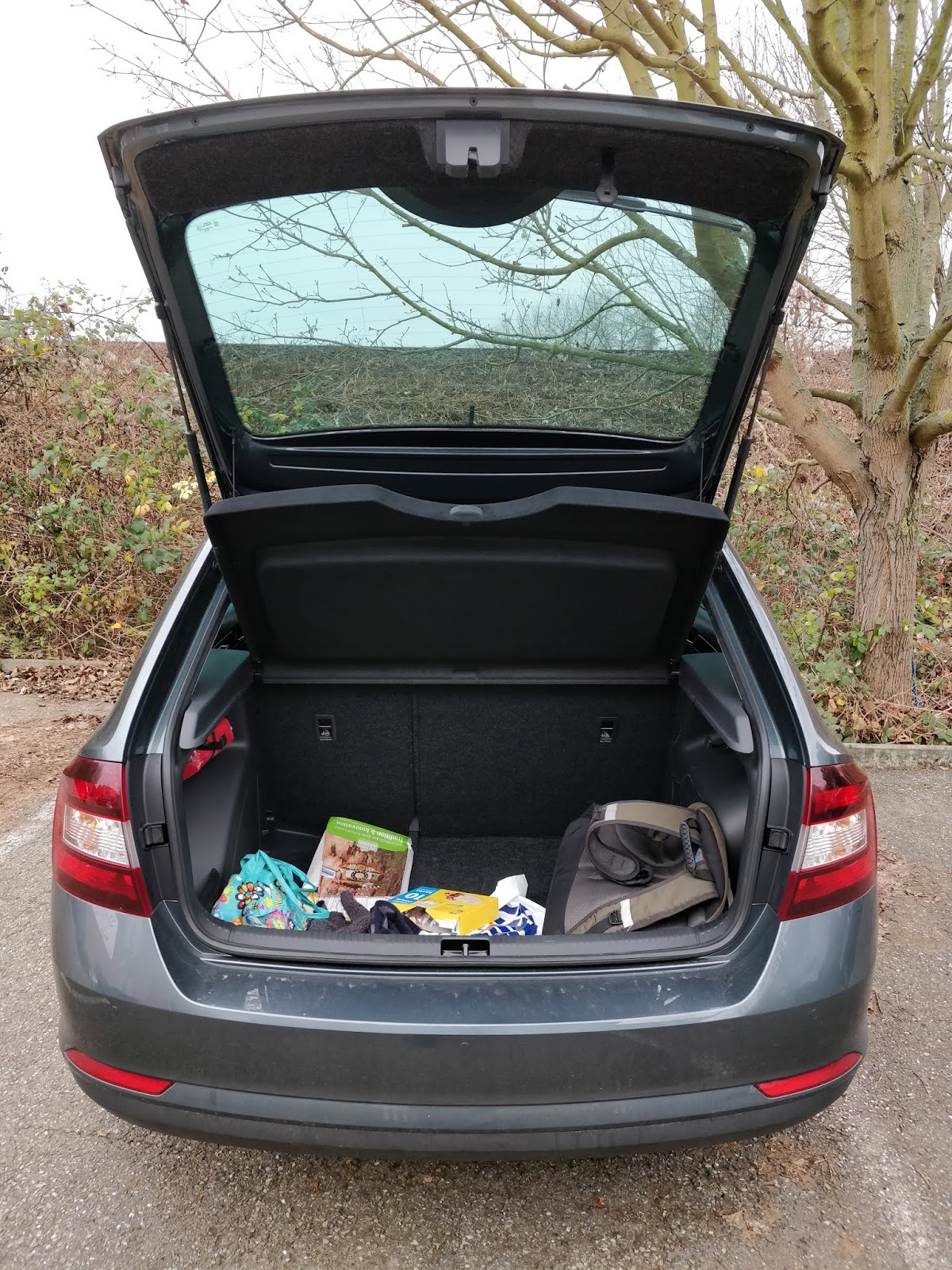
Λαμβάνοντας υπ’ όψιν τα υπέρ και τα κατά, εμείς επιλέγουμε σχεδόν πάντα να νοικιάσουμε αυτοκίνητο. Το παίρνεις κατευθείαν από το αεροδρόμιο χωρίς αναμονή στους σταθμούς των λεωφορείων, σε πάει μέχρι την πόρτα του ξενοδοχείου σου, διευκολύνει τη γρήγορη και καλύτερη εξερεύνηση και … χρησιμοποιείται και σαν επιπλέον αποθηκευτικός χώρος (στα χειμερινά ταξίδια, και σαν ψυγείο!). Είναι πιο ξεκούραστο για τα παιδιά, και λιγότερη κούραση σημαίνει λιγότερη γκρίνια (Γιούπι!). Μπορείς να βασιστείς στα Google Maps για πλοήγηση, πληρώνεις ένα μέρος με την κράτηση και τα υπόλοιπα όταν το παραδίδεις και σίγουρα βγαίνει φτηνότερο για μια τετραμελή ή πενταμελή οικογένεια από εισιτήρια τρένου συν το Uber για το σταθμό, όταν αποφασίζεις να μετακινηθείς!
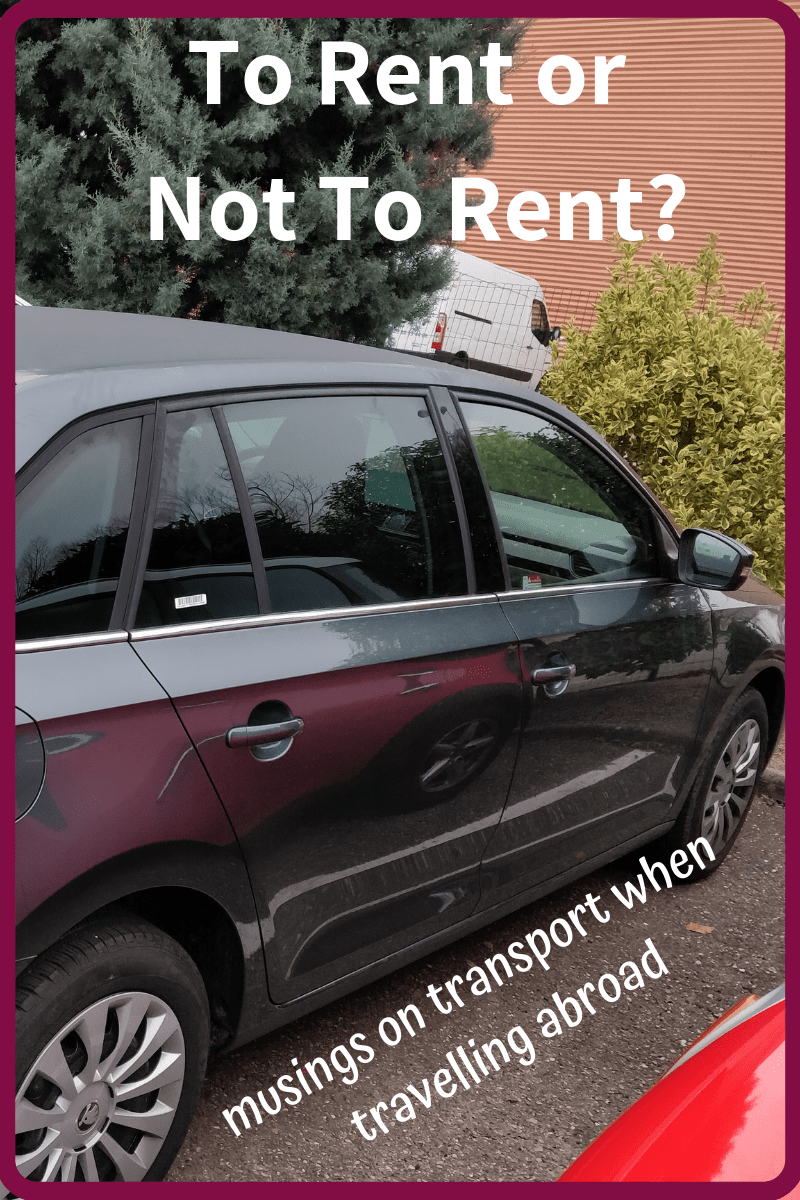
One of the decisions travelling families have to make is whether they will use public transport in the places they are visiting or if car rental would be a more convenient solution. Well, in our experience, renting a car solves more problems than it creates in most cases. While in most countries public transport is highly organized and effective, it might actually be less so when travelling with your big family! However, it’s worth looking at some of the reasons not to, before we can make an informed decision!
1. It raises the budget of the trip
Well, this is probably the most popular counter-argument and it is valid of course. Add the parking price if your hotel is at a central location and it is definitely a significant addition to your travel expenses. On the other hand, there are factors that should also be considered. For example, are you visiting one place? I mean, are you exploring one big city and staying there for your whole trip? Well, in that case, a car might be an inconvenience. You would basically be paying for transport to and from the airport, which might still be worth it, if, for example, you are arriving on a late night flight or there is a long commute and taxi fares are particularly expensive. But in most cases, the car is more of a problem in a big city than a solution.
If, however, you are planning to go around a bit, making short trips in the area around the city or town you’re staying at, then a rental car is your best option. It spells freedom and makes sure that you will see as many places as possible. It allows you to choose your route, plan your stops and leave or come back any time without being limited by bus or train timetables. Remember that rental cars are usually very economic, low-consumption models and lower speeds mean much less petrol used.
2. It is an added responsibility
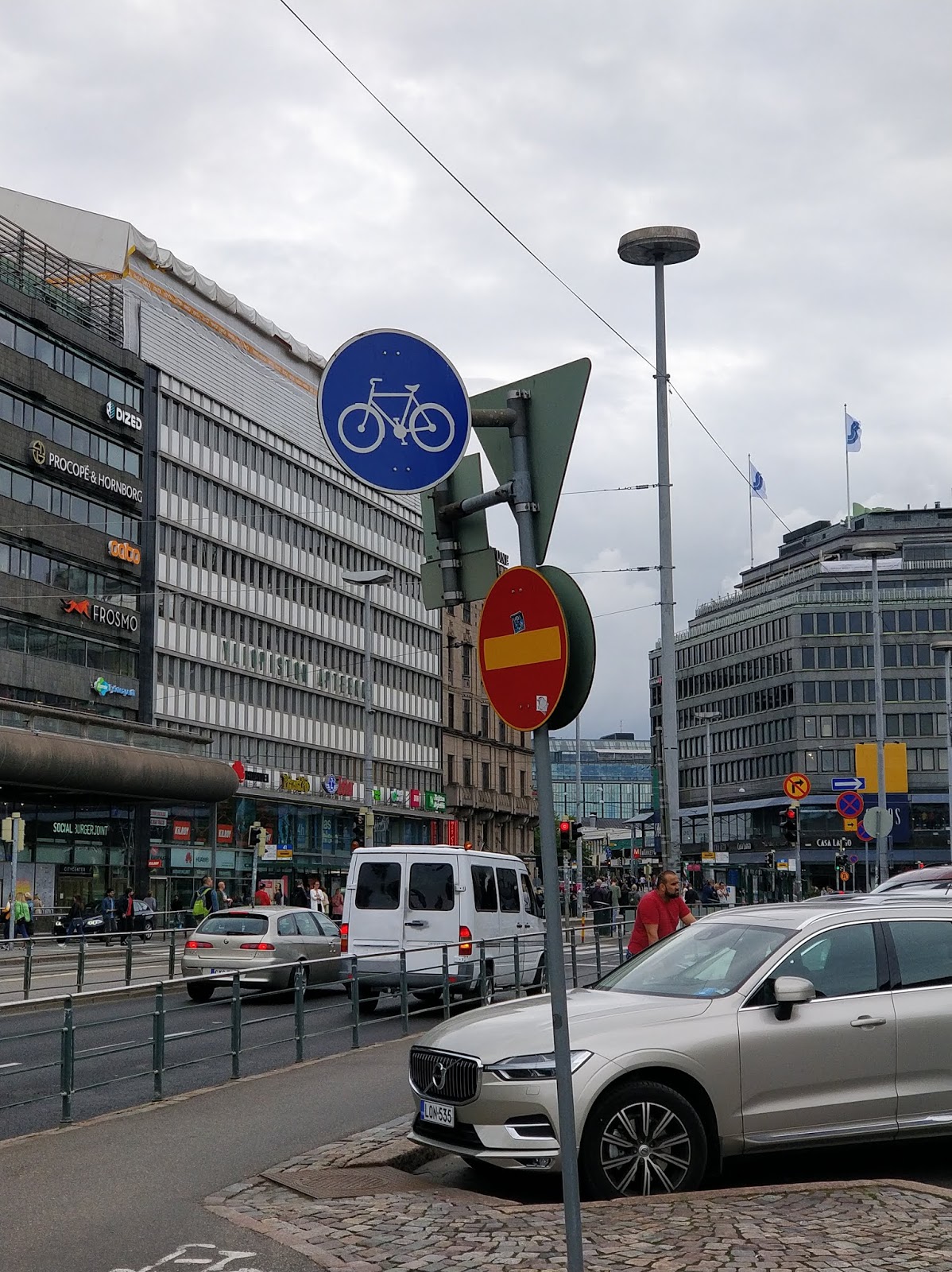
This is a completely understandable concern. Having a rental means having to make sure you obey the speed limit or other road regulations, finding proper parking spots, taking extra care not to scratch it (oh, the horror!) and filling up. I’ve often said that driving a car in a different country is a lot like speaking a foreign language. Apart from cases where you drive on a different side (takes a little getting used to!), signs look different, limits are different and there are also many unwritten rules that native drivers simply know about and you don’t. But, like a foreign language, it only takes a day or two to start feeling comfortable enough to actually forget you are driving on strange roads!
Another important argument in favour is the easy access to a very reliable GPS. Having to drive while your partner was struggling with the map was a nightmare! Nowadays, you just leave it to lovely Cassie (that’s the name of the voice on my GPS!) and she’ll get you where you need to be!
3. I’m afraid I’ll get tickets
I get that. Actually, to be honest, I’ve paid my share of tickets in the past. They usually arrive long after we’ve returned, though, so that’s something! However, a general rule of thumb is: if unsure, drive slower than you would. When parking, double- and triple-check that it’s allowed, if you’re not putting it in a designated parking space. Avoid medieval town centres altogether! Seriously, drive safe, be mindful of road signs and it’ll be fine.
4. There are too many extra charges
Well, as is the case with plane tickets and hotel rooms, there’s a way for everything. But that’s what we’re here for! There will be a step-by-step guide in a different post, but here are some quick tips. There are pages that work as search engines-slash-intermediaries between the customer and the rental company. They get a number of quotes for use by their customers. They usually offer very tempting prices, but it is important that you check a) the actual rental company’s rating and web presence, and b) the actual rental company’s website to see if there are any other charges that your quote does not seem to include. We mostly use EconomyCarRentals and they always include the basic insurance in the offer they make. Check that so you don’t arrive and you are asked to pay something you weren’t prepared for at the desk.
Other things, including the green card that allows you to cross borders on certain conditions or winter tyres for Northern Europe, are usually included. The only thing you will have to pay for extra is the child booster seat if your kids are below a certain height and weight. But what many people don’t know is that most budget airlines allow you to take baby safety equipment free of charge (see: Ryanair’s policy for baby equipment), including a booster seat. You have to check it in, but if you prefer not to, so as to avoid damaging it, for instance, here’s a little trick we tried and it worked: If you ask for a Duty Free plastic bag and put the booster seat in it, they will allow you to take it on board!
All things considered, we will always vote for getting a rental car. You pick it up at the airport, you leave immediately (no waiting at bus terminals), you drive all the way to the doorstep of your hotel, it enables you to explore faster and better, and…. it doubles as storage space (more on that soon!). It is less tiring for the kids, and less tiredness means less whining (Yay!!!). You can rely on Google Maps for navigation, you pay one part when you book it and most of it when you drop it off, and it will definitely be cheaper than train tickets for a family of four or five plus the Uber to the station when you decide to move around!
When you visit a place for the first time, especially a legendary place like the French capital, you’re usually determined to see as much as you can. Either you play the sophisticated tourist (“Oh how one enjoys art in art’s natural habitat!”) or the over-excited wide-eyed love-it-all (Wow! Oh, wow! What’s that for? WOW!”), you will still spend your time touring the city taking in the beauty and visiting the attractions you’ve been waiting for so long to see up close.
But if you have the incredible fortune to get there a second time (or, in some cases, a fifteenth!), you lose some of this urgency, and start enjoying the city in a calmer manner that matches its relaxed and friendly atmosphere. Well, then, here are our favourite silly things to do in Paris to have some unplanned fun!
Number 1:Walk into one of the hundreds of boulangeries and ask the shop assistant what everything is
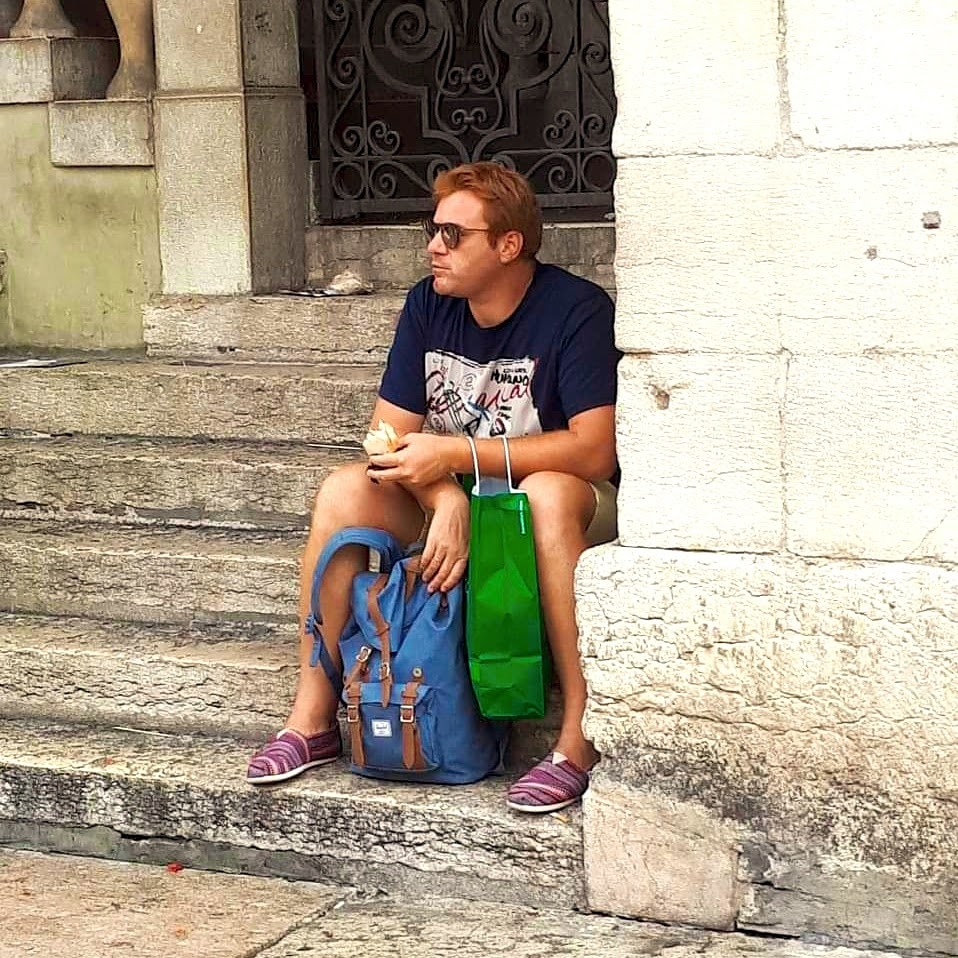
Bakeries in Paris are a whole other universe, and this comes from a Greek. If you’ve been to Greece you must have noticed the abundance of delicious food and pastry. Still, Parisian boulangers go out of their way to make it virtually impossible for you to decide what to buy. That doesn’t mean they enjoy describing them however! In fact, more often than not, they will get little annoyed after the third piece of pastry you ask “qu’est-ce que c’est?” about!
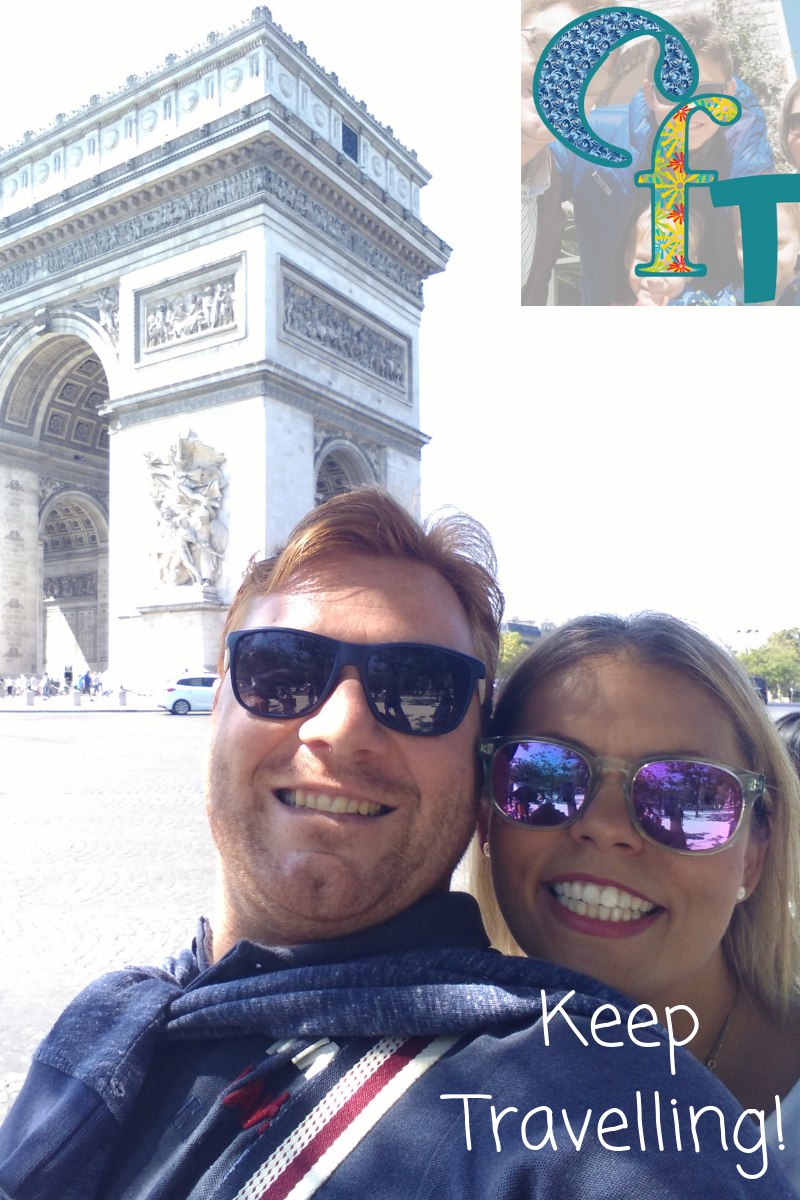
Number 2: Go around the attractions and do silly poses trying to get a pic like this:
The City of Lights is full of Instagram worthy monuments and corners. It is also literally full of instagrammers making silly poses trying to get the perfect capture with the Eiffel Tower or the Louvre Pyramid! Embrace it. Stage that picture with you kissing the Eiffel Tower. It’s more fun than it looks!
Number 3:Take a ride on a “bateau mouche” and scream every time it goes under a bridge
The iconic boat ride along the Seine is definitely not to be missed. If you’re there when it’s warm enough, it’s worth sitting outside, at the top of the boat. Passers-by will wave at you and scream hellos, well, mostly other tourists, but the occasional Parisian as well, and they’re bound to smile when they see how excited you are! Still, don’t forget to scream when passing under a bridge! It’s liberating. And a little creepy. And your kids will be telling that story for years (Daddy, remember when you screamed in the boat under the bridge?) !!
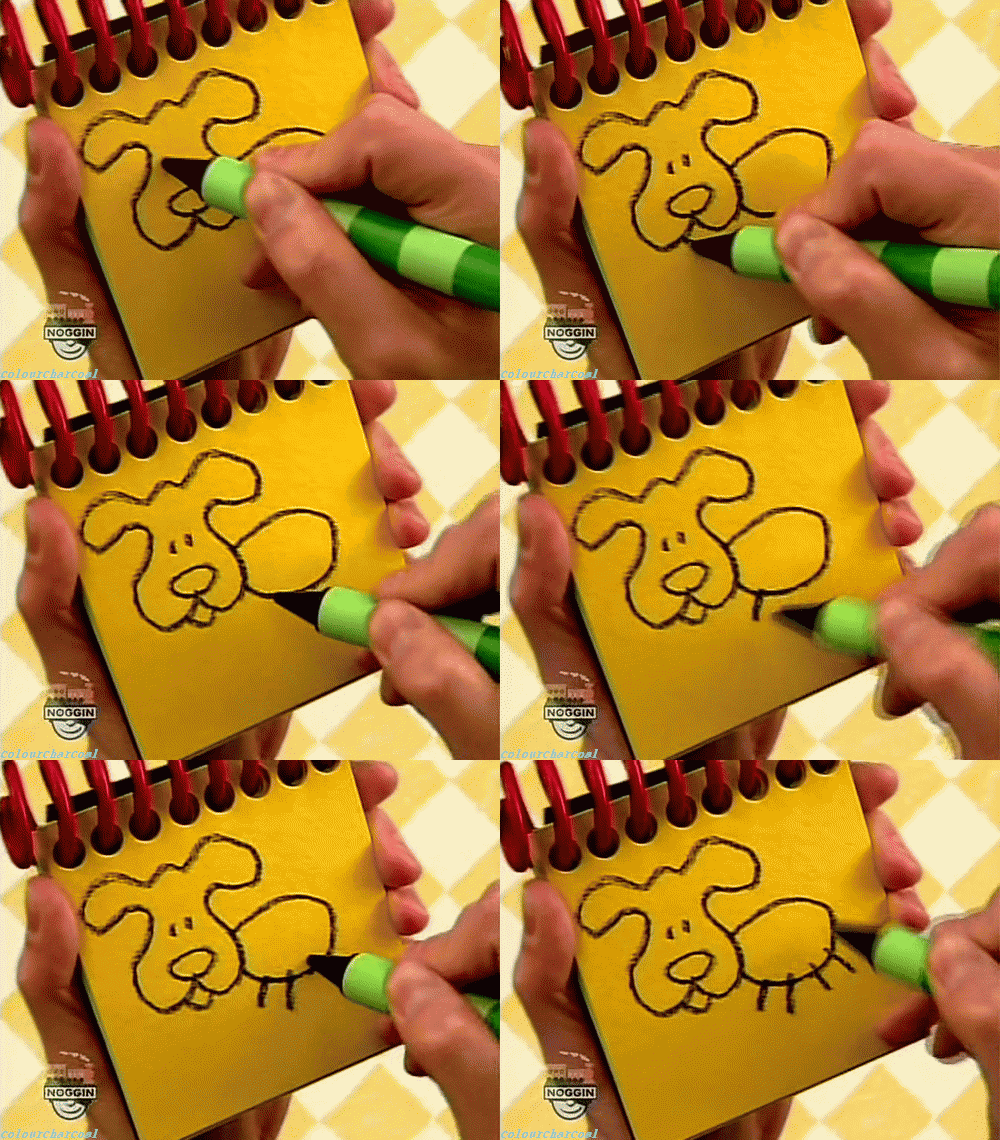
Number 4:Grab a corner on top of the Monmartre and pretend you’re drawing this:
The Hill of Monmartre is one of the most artistic places the world over. It is the place where masterpieces of art and literature where born, the place where cursed poets and tortured artists lived, shared their misery and conceived of some of the most iconic pieces of European art. When you get there, after you’ve enjoyed a “café au lait” in one of the street side coffeeshops, with arms brushing against the next patron’s, you stroll around the dozens of street artists taking in all the different techniques and beautiful imagery. Honestly, it makes you feel a little bad, especially if you’re as useless at drawing as I am! Well, don’t be. Give the kids a big piece of paper and their crayons and ask them to draw what they see like a real “peintre de Monmartre”!
Number 5: Go to the Disney Store on Champs Elysées and take a picture with each and every hat.
Can a visit to Paris be whole without a quick hop into the children’s most favourite shop of all time? Well, admit it, you like it too, and even though you complain about commercialisation under your breath, you wish you could buy that awesome water bottle shaped like Stitch! Well, who says you can’t? Disney stores are mysterious places where your childhood creeps up on you and you are giggling and pressing that button that makes Lilo hula hoop before you know it! After all, Disney is the one thing that we completely share with our kids. We all grew up with these characters. Let yourself go, try on the hats, have the kids photograph you. It’ll make for your favourite holiday collection!
This is of course our selection and it includes silly things to do that the kids will love and remember. For those prepared to do more extreme stuff and *possibly* even risk their lives, there are other things to try. You can ask a Parisian a question without first saying “Bonjour!” or, God forbid, stand on the left side of the escalators leading to the Metro!
So, what is your favourite silly thing to do in Paris? Write in the comments! Don’t forget to subscribe so you can get our latest news and posts! And of course:
Travel seems like a distant dream for many people. They watch others go and share their experiences, yet they never seem to be able to make that decision. Trust me, I know. I was one of these people for a long time.
I thought travelling required extravagant amounts of money that I was better off spending on something else. I believed there were dangers impossible to predict. I felt flying was an unnatural way to travel. Until that first time, when my then girlfriend (now known as The Mom) convinced me to go to the Cote D’ Azur. Kinda forced me, to be honest, but all the same, it was my first trip as an adult. I’ve never stopped travelling since.
When our first son arrived, lots of people thought “that’s it, now they’ll stay put, its different now”! It was and there were some serious adjustments to be made. You see, we were really very young. Soon we were back on the road. When the twins came it was “for sure the end of all that vagabonding, there are five of them now, it’s just too hard”! Well, once more, we had to adjust. And some of our best trips have been made since. Now we’re starting to explore the rest of the world all together. I’ll let you guess the rest!
















 Family Travel Adventures